
Workplace Investigations for California Employers
Michael Trust founded Michael Trust Law, APC after more than 35 years in HR leadership across entertainment, healthcare, higher education, finance, banking, solar energy, and other industries, including managing approximately 35,000 disability and leave-of-absence cases. He holds the SPHR, PHRca, and SHRM-SCP credentials. The PHRca is a California-specific HR credential focused on California employment law and HR practice. The SPHR, PHRca, and SHRM-SCP are HR credentials, not State Bar certifications. Michael Trust does not hold a State Bar certified specialization, and currently the State Bar of California does not offer a specialization in employment law. According to HRCI’s published pass-rate statistics at https://www.hrci.org/pass-rates, the PHRca has the lowest pass rate of all HRCI credentials (47% as of December 31, 2025, compared with 71% to 84% for HRCI’s other certifications), and only 293 candidates worldwide tested for it in 2025. That HR-systems background helps identify HR process issues early, which can shape legal analysis on both sides. This HR background often proves relevant to workplace investigations, where the quality of the complaint process, the independence of the investigator, and the written record can shape how a decision-maker weighs a later claim.
Employer Workplace Investigations
Michael Trust Law, APC advises California employers on workplace investigations of harassment, discrimination, and retaliation complaints, and on how privilege and waiver can apply.
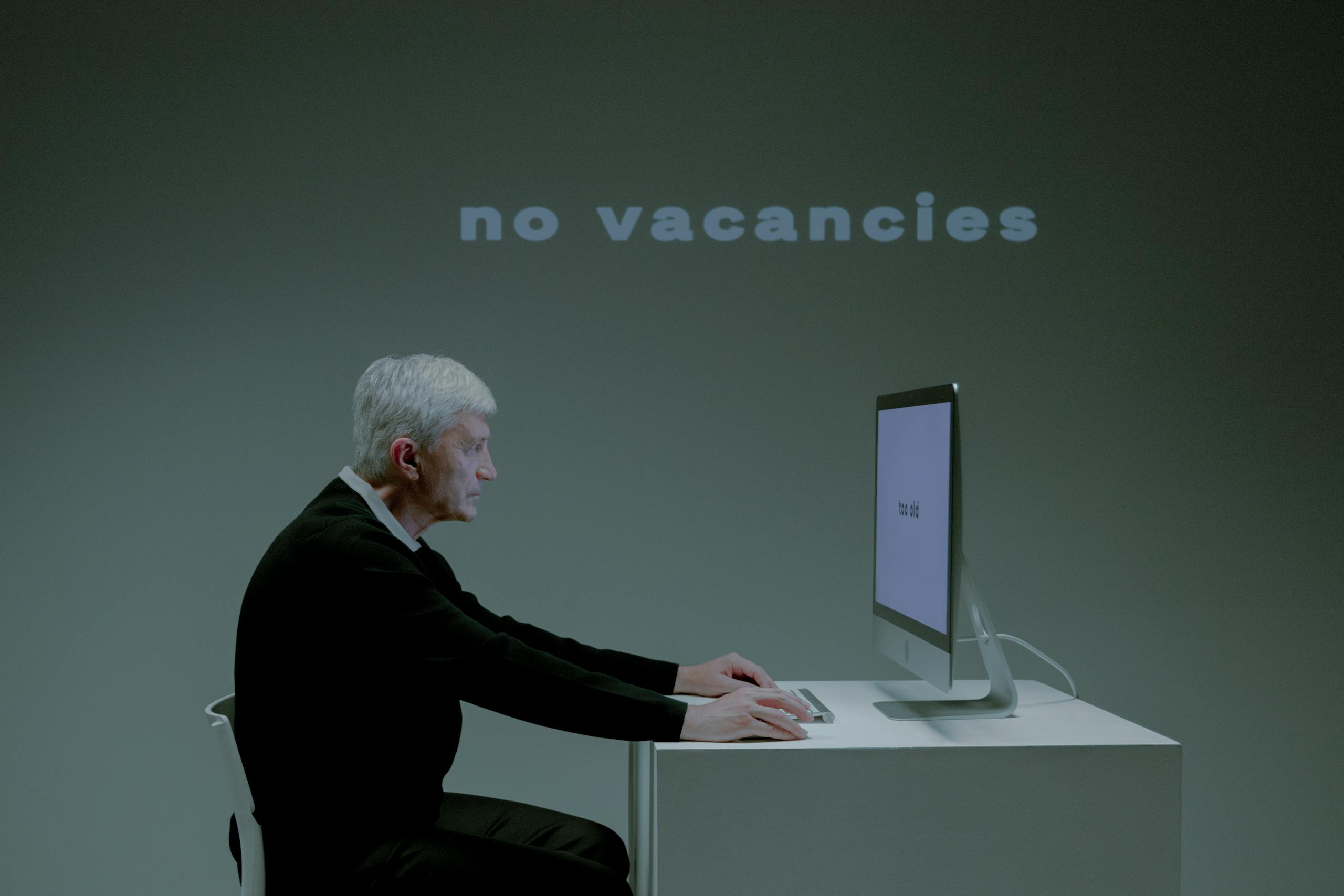
A representative workplace investigation issue for an employer involves a complaint of harassment, discrimination, or retaliation, and a decision about who investigates, what stays privileged, and how the written record will read to a later decision-maker.
A California employer that receives a complaint of harassment, discrimination, or retaliation should respond promptly and fairly and should document what it did, because courts examine the quality of that response. An employer that later relies on its investigation as a defense may waive attorney-client privilege and work product protection over that investigation, so the employer should decide who investigates, and what stays privileged, before the first interview.
What California Law Asks of an Employer After a Complaint
For harassment by a coworker who is not an agent or supervisor, the statute makes the employer liable if it “knows or should have known of this conduct and fails to take immediate and appropriate corrective action” (Cal. Gov’t Code § 12940(j)(1)). For harassment by a supervisor, the California Supreme Court has repeated that “the employer is strictly liable for the supervisor’s actions” (Bailey v. San Francisco Dist. Attorney’s Office, 16 Cal. 5th 611 (2024) (citation omitted)).
In Bailey, the Court looked to the federal question whether an employer took remedial measures “reasonably calculated to end the harassment,” said that the reasonableness of a remedy “depends on its ability to stop the current harassment and deter future harassment,” and noted that California appellate courts apply the same standard under the Fair Employment and Housing Act (FEHA). The statute also makes it unlawful for an employer to fail to take “all reasonable steps necessary to prevent discrimination and harassment from occurring” (Cal. Gov’t Code § 12940(k)).
Courts also examine the investigation itself. In an implied-contract discharge case, the California Supreme Court framed the jury question as whether the factual basis for the employer’s conclusion that an employee committed a dischargeable act was “reached honestly, after an appropriate investigation and for reasons that are not arbitrary or pretextual” (Cotran v. Rollins Hudig Hall Int’l, Inc., 17 Cal. 4th 93, 107 (1998)). Cotran is a good-cause case, not a FEHA case, and this page cites it only for that standard. In a case in which an employee complained and was then fired, the Court of Appeal said that “[t]he lack of a rigorous investigation by defendants is evidence suggesting that defendants did not value the discovery of the truth so much as a way to clean up the mess that was uncovered when [the employee] made his complaint” (Mendoza v. Western Medical Center Santa Ana, 222 Cal. App. 4th 1334, 1344 (2014)), and added that “employers should conduct a thorough investigation and make a good faith decision based on the results of the investigation” (id. at 1345 n.4).
Practice point, not a legal requirement: an employer builds the record these authorities look at when it can show who investigated, whom the investigator interviewed, what evidence the investigator gathered, what the written findings say, and how the discipline matched the findings.
Retaliation Risk During and After an Investigation
FEHA can protect a complaint even when the investigation does not substantiate it. The California Supreme Court has said that FEHA protects an employee not only when the employee opposes conduct later determined to be unlawful, but also when “the employee opposes conduct that the employee reasonably and in good faith believes to be discriminatory, whether or not the challenged conduct is ultimately found to violate the FEHA” (Yanowitz v. L’Oreal USA, Inc., 36 Cal. 4th 1028, 1043 (2005)). Cal. Gov’t Code § 12940(h) prohibits retaliation against a person who opposed practices forbidden by FEHA or who filed a complaint, testified, or assisted in a FEHA proceeding.
The handling of the complaint can itself create exposure. In Bailey, the Court stated that it was not holding that an employer’s “mere inaction (e.g., the failure to investigate a claim of racial harassment or take corrective action)” is an act of retaliation. The Court nonetheless found a triable issue of retaliation where an HR manager obstructed the complaint, including by an admonition that the employee might create a hostile work environment for her harasser if she persisted, and by threats, and it stated that “such acts may be considered by a jury to constitute actionable retaliation.”
Practice point, not a legal requirement: before an employer changes the complainant’s schedule, reporting line, or duties during an investigation, the employer tests the change against retaliation and records the business reason.
Privilege and Waiver When an Employer Relies on Its Investigation
In Wellpoint Health Networks, Inc. v. Superior Court, 59 Cal. App. 4th 110, 128 (1997), the Court of Appeal addressed an investigation conducted by an attorney or law firm and said that “[i]f a defendant employer hopes to prevail by showing that it investigated an employee’s complaint and took action appropriate to the findings of the investigation, then it will have put the adequacy of the investigation directly at issue, and cannot stand on the attorney-client privilege or work product doctrine to preclude a thorough examination of its adequacy.” The court also held that a waiver finding was premature on that record: only if the defendants’ answer or discovery responses indicated the possibility of a defense based on thorough investigation and appropriate corrective response could a finding of waiver be made (id. at 129).
Wellpoint has limits. In Kaiser Found. Hosps. v. Superior Court, 66 Cal. App. 4th 1217, 1226-1227 (1998), the Court of Appeal called a reading of Wellpoint as waiving privilege in every case “overbroad,” and said that where a defendant “has produced its files and disclosed the substance of its internal investigation conducted by nonlawyer employees, and only seeks to protect specified discrete communications which those employees had with their attorneys, disclosure of such privileged communications is simply not essential for a thorough examination of the adequacy of the investigation or a fair adjudication of the action.”
The Court of Appeal applied Wellpoint again in 2026. In Paknad v. Superior Court, 119 Cal. App. 5th 1256 (2026), the employer cited its independent outside attorney’s investigations in support of its avoidable consequences defense. The court held that the employer, by its voluntary conduct, waived attorney-client privilege and work product protection as to the investigator’s factual findings about the employee’s allegations and as to information relevant to the scope or adequacy of the investigation. The court construed the waiver more narrowly than the employee urged, because the scope of a waiver turns on what the employer put at issue. Because the employer engaged the attorney both to investigate and to recommend a response, the court treated the findings as bearing on the adequacy of both, and because the employer had put the investigator’s independence at issue, the court held that the employee was entitled to the factual findings to assess how the investigator reached them.
Practice point, not a legal requirement: an employer decides before the first interview who will investigate, whether that person is a lawyer, and, if a lawyer, whether that same lawyer will also advise on the dispute, and the employer keeps the investigation file separate from any legal advice. An employer that cites the investigation as a defense should expect to produce the investigator’s factual findings.
A lawyer who investigates a complaint may become a witness to what the investigation found. Cal. R. Prof. Conduct 3.7(a) bars a lawyer from acting as an advocate at a trial in which the lawyer is likely to be a witness unless the testimony relates to an uncontested issue or matter, or to the nature and value of legal services rendered in the case, or the client gives informed written consent; under rule 3.7(b), another lawyer in the same firm may act as advocate unless rule 1.7 or rule 1.9 precludes it. Using the same lawyer or firm both to investigate a complaint and to defend the employer in a dispute over it therefore carries risk, and a better approach is for one lawyer or firm to investigate and a different lawyer or firm to defend.
When to Contact Us
As a matter of practice, an employer consults with counsel before the first interview when a complaint alleges harassment, discrimination, or retaliation, and again before the employer acts on the findings. Michael Trust Law, APC conducts workplace investigations, advises on the structure of investigations that others conduct, reviews investigation reports, and advises on the response to findings.
No attorney-client relationship exists until a fee agreement is fully executed by all parties. See Disclaimers.
Cal. Gov’t Code § 12940(h), (j)(1), (k); Cal. R. Prof. Conduct 3.7; Bailey v. San Francisco Dist. Attorney’s Office, 16 Cal. 5th 611 (2024); Cotran v. Rollins Hudig Hall Int’l, Inc., 17 Cal. 4th 93 (1998); Mendoza v. Western Medical Center Santa Ana, 222 Cal. App. 4th 1334 (2014); Yanowitz v. L’Oreal USA, Inc., 36 Cal. 4th 1028 (2005); Wellpoint Health Networks, Inc. v. Superior Court, 59 Cal. App. 4th 110 (1997); Kaiser Found. Hosps. v. Superior Court, 66 Cal. App. 4th 1217 (1998); Paknad v. Superior Court, 119 Cal. App. 5th 1256 (2026)
Explore Related Employer Services
Frequently Asked Questions
Protect Your Business With Counsel on Your Workplace Investigation
Michael Trust Law, APC conducts workplace investigations, advises on the structure of investigations that others conduct, reviews investigation reports, and advises on the response to findings. Contact Michael Trust Law, APC to discuss your situation.
Contact Michael Trust Law, APC Today